Hair loss in women
In women, hormonal changes can lead to hair loss, for example during menopause, after a pregnancy or with hormonal imbalances.
Hair loss in women during menopauseHair loss can have many different causes. In some people it is genetically determined, in others hormonal changes, stress or illnesses play a role. HM HairMedical provides information on common causes of hair loss in women and men and on possible supportive treatments of the scalp.
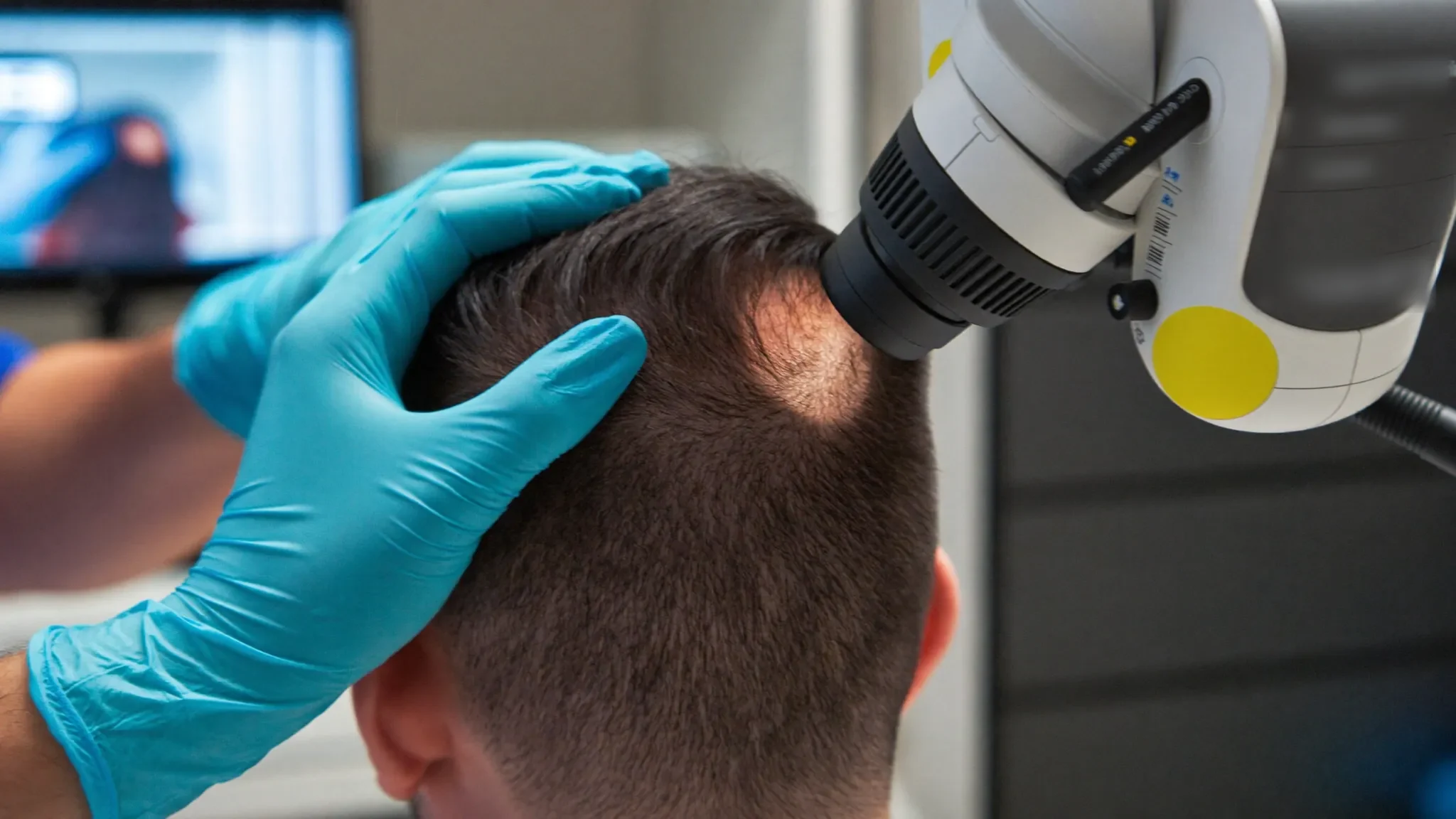
The most common cause of hair loss is what is known as androgenetic alopecia. This form occurs in both men and women and is genetically determined. Typical signs are receding temples, a receding hairline or thinning hair in the parting area.
Even though genetic hair loss cannot be fully prevented, scalp treatments can help to support the hair root.
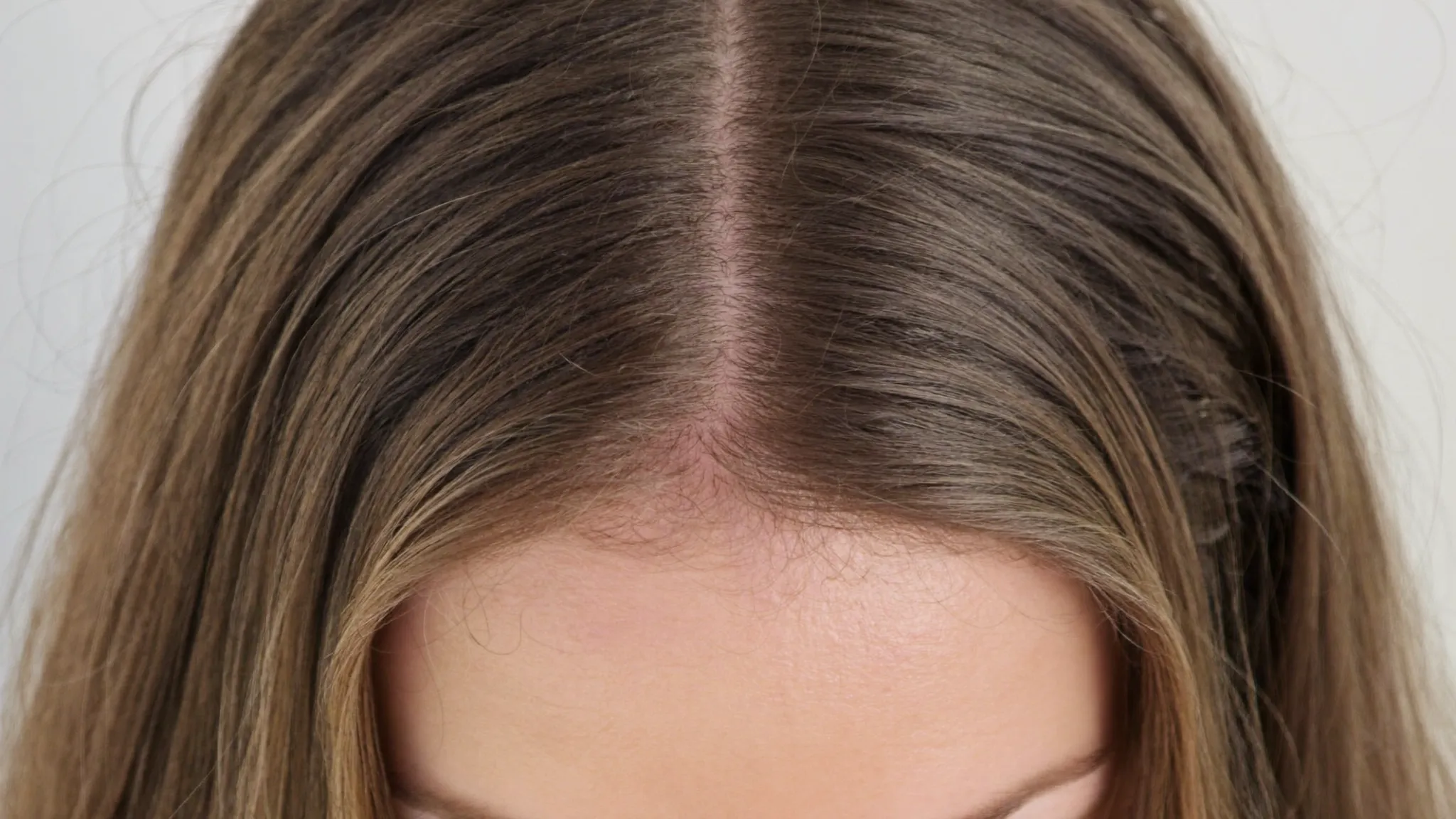
In women, hormonal changes can lead to hair loss, for example during menopause, after a pregnancy or with hormonal imbalances.
Hair loss in women during menopauseIn men, the hormone DHT plays an important role in genetic hair loss. It can cause hair roots to become more sensitive and hair to grow thinner over time.
Hair loss in menStrong physical or emotional stress can affect the hair cycle. In some cases this leads to diffuse hair loss.
A deficiency in iron, zinc, vitamin D or proteins can affect hair quality and hair growth.
Thyroid disorders, inflammation of the scalp or certain medications can also cause hair loss.
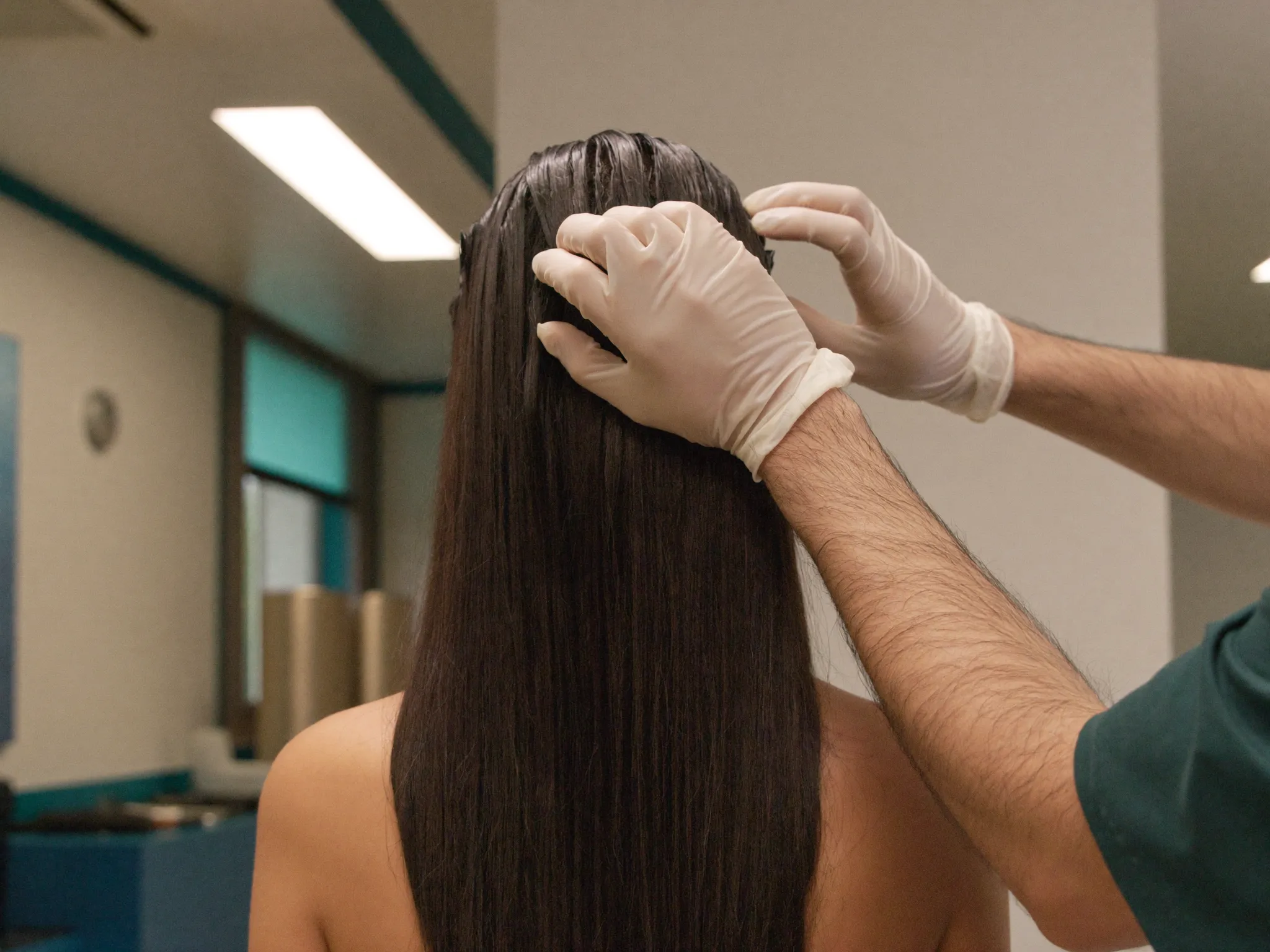
Diffuse hair loss means that the hair becomes thinner across the entire head, without the typical receding temples or bald spots developing. Many of those affected notice more hair in the sink or in the brush.
This form of hair loss can have various causes, for example:
Diffuse hair loss is often temporary. Nevertheless, early support of the scalp can help to stabilise the hair cycle.
In patchy hair loss, clearly defined bald spots suddenly appear on the scalp or in the beard area. This form is referred to as alopecia areata.
The exact cause is not fully understood. It is thought that a misdirected reaction of the immune system plays a role.
Typical signs are:
Treatment depends on the cause and progression. In some patients the hair grows back after some time.

PRP uses the body's own blood plasma with growth factors and can be used to support the scalp.
More about PRPIn mesotherapy, active ingredients are delivered directly into the scalp to nourish the hair root.
More about mesotherapyPolynucleotides are used to support tissue regeneration and scalp quality.
More about polynucleotidesThe hair analysis is free – and afterwards you will know which cause lies behind your hair loss and what helps.